Horsham Park in West Sussex was legally protected forever through our independent Deed of Dedication last month – directly benefitting 12,000 residents who live within a 10-minute walk of this much-loved community green space.
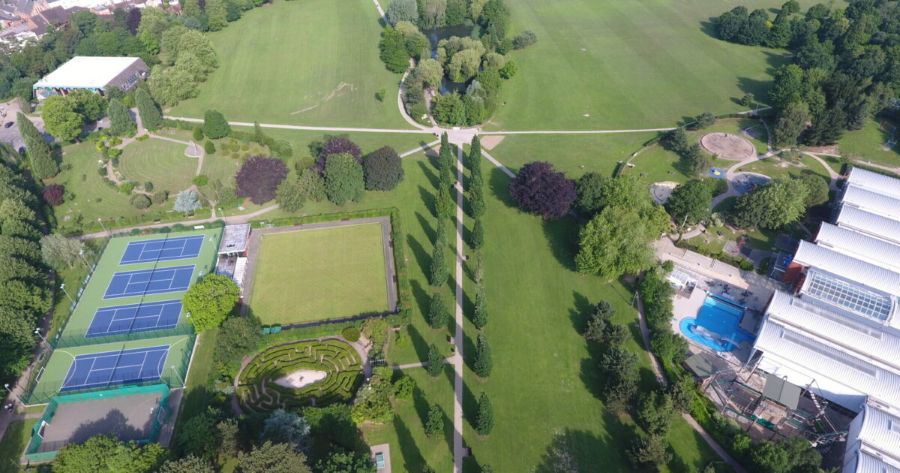
Situated right in the centre of Horsham, the park is a crucial social hub equipped with football pitches, tennis courts, a sensory garden, a bowls club, live music and more.
This year it received its seventh Green Flag Award, a mark of excellence when it comes to the management and maintenance of public parks and green spaces.
“Horsham Park is central to the identity, wellbeing, and attractiveness of our town,” says Sally Sanderson, Chair of the Friends of Horsham Park. “It’s very busy and highly valued by the community as a place for play and friendship, for supporting our physical and mental wellbeing. It’s the reason many residents chose to live and raise their families here.”
The recent Green Space Index found that only 6% of Horsham residents live near a legally protected park, which falls below the national average for Great Britain (14%). This means that the remaining 94% of residents could be at risk of losing their local community green spaces if threats like development arise.
The 2026 Index findings show that some areas of Great Britain have high levels of public park access, higher-than-average green space provision per person, or growing numbers of legally protected spaces, while others fall short – deepening existing health and social inequalities.
It also found that protected spaces in England are disproportionately located in more deprived areas, serving the communities who need them most.
In England, the South West has the highest proportion of people not living within a 10-minute walk of a public park or green space at 12%, followed by the East of England (10%). London has the best access, with over 98% of people able to walk to an accessible park in 10 minutes or less. However, good access does not always mean there is enough green space to go around – parks in dense cities often have to work harder to support more people.
Twelve per cent of people in Wales and 9% of people in Scotland do not have 10-minute walking access to a public green space, compared to England’s average of 8%.
Cities often have better walking access to public parks than rural areas, but their dense populations generally mean there is less green space to go around.
Less space means these parks must work harder – they need to be multi-functional and of a high quality to support the diverse needs of the people who depend on them. The Fields in Trust Standards provide guidance on optimising new green spaces to ensure they are inclusive, accessible and benefit local communities as much as possible.